
Category 1: Defining Your Personal Brand Metrics
- Social Media Engagement
- Website Traffic
- Brand Mentions

As we head into 2025, the relevance of personal branding is at an all-time high. Have you ever considered how your digital persona shapes your professional opportunities? Understanding and measuring your personal brand could be the key to unlocking your career potential.
To effectively measure your personal brand, it’s essential to understand the core elements that contribute to its success. This involves defining metrics that reflect your brand's impact and reach. Below are the critical components to consider:
As we navigate through 2025, the essence of personal branding has taken center stage in our professional lives. It's no longer just about what you do; it's about how you present yourself and the values you embody. In the digital age, where first impressions are often made online, understanding and actively measuring your personal brand is crucial for success!
For network marketers and entrepreneurs, the significance of personal branding can’t be overstated. With the rapid evolution of social media and online platforms, your brand is your voice, your story, and your connection to your audience. But why exactly does personal branding matter today?
In a world overflowing with options, consumers are drawn to authenticity and trust. This is where personal branding comes into play—it helps you stand out! Research indicates that a strong personal brand is a crucial asset for professionals in various fields, as explored in detail by academic studies on the topic, such as the one found on PMC NCBI. Here are some key reasons why personal branding is more important than ever:
By focusing on these elements, you create an opportunity to connect with others on a deeper level. It’s a chance to engage and inspire those around you, turning your brand into a community rather than just a business.

Personal branding has undergone significant changes over the years. Initially, it was mostly about self-promotion—but now, it’s about creating a holistic image that genuinely reflects who you are. In 2025, your digital presence is your resume, portfolio, and marketing tool all rolled into one!
Today, the focus is on storytelling and transparency. People want to know the person behind the brand. As a network marketer, sharing your journey and experiences can help you connect with your audience authentically. This evolution means that personal branding is not just about marketing; it's about relationship-building. The digital landscape has transformed personal branding, as highlighted by various studies, including research found on journals.vilniustech.lt, which examines online personal branding strategies.
Your personal brand can significantly impact your career trajectory. When effectively measured and managed, it can lead to more opportunities and better relationships in your field. The strategic development of a personal brand can lead to numerous career advantages, as discussed in professional analyses, a pertinent example of which can be found compiled on PubMed. Here are a few ways personal branding influences career success:
Ultimately, when you take the time to develop and measure your personal brand, you're investing in your future. It's not just about what you can achieve today—it's about building a legacy that lasts.
To effectively measure your personal brand, it’s essential to understand the core elements that contribute to its success. This involves defining metrics that reflect your brand's impact and reach.
Incorporating these elements into your branding strategy can help you gauge your progress and make informed adjustments. Here are the critical components to consider:
Measuring your personal brand requires you to establish specific metrics. These are quantifiable indicators that provide insight into how well your brand is performing. A few examples of metrics to consider include:
These metrics can help you understand which areas of your branding strategy are effective and which need improvement. Monitoring these can give you a clearer picture of your brand's impact.
Key Performance Indicators (KPIs) are vital for tracking the success of your personal brand. They should align with your overall goals and provide a way to measure your progress. Some essential KPIs include:
By regularly evaluating these KPIs, you can pivot your strategy to align with your audience's preferences and needs more effectively.
Brand equity refers to the value your brand holds in the minds of your audience. It's essential to assess this aspect of your personal brand as it directly impacts your success. Factors influencing your brand equity include:
Understanding and enhancing your brand equity can lead to greater recognition and higher perceived value, paving the way for long-term success.
To elevate your personal branding efforts in 2025, consider leveraging user-generated content. Encourage your audience to share their experiences with your brand and showcase these testimonials on your platforms. This not only enhances your credibility but also fosters a sense of community and loyalty among your followers.
When it comes to personal branding, evaluating your success is crucial! Understanding how your brand performs can guide your future strategies and maximize your return on investment (ROI). In this section, I’m going to break down some key metrics that will help you gauge your personal brand's effectiveness.
To truly assess your personal brand, you need to focus on three core metrics: awareness, authority, and conversion. Each plays a vital role in your overall brand health.
By keeping tabs on these metrics, you'll have a clearer picture of where your personal brand stands and what areas require attention!
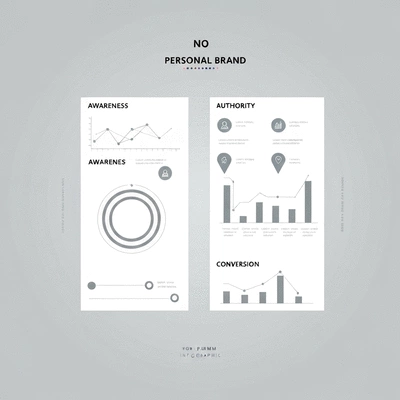
One of the fundamental aspects of brand awareness is understanding your reach and media mentions. Monitoring how often your name or brand is mentioned online can provide invaluable insights.
This information can help you see how well your personal brand resonates with your audience and identify any potential issues before they escalate.
Another way to measure your personal brand success is by tracking inbound opportunities, such as invitations to speak at events or collaborations with other brands. These opportunities are often a direct result of your authority in the industry.
Each opportunity is a chance to grow your brand, so it's essential to document and analyze these experiences.
Engagement rate is a pivotal metric that reflects how your audience interacts with your content. Higher engagement often correlates with stronger brand loyalty, which is necessary for long-term success.
This ongoing assessment helps you understand what makes your audience tick and fosters a loyal community around your brand.
Setting benchmarks is crucial for tracking your personal brand's growth over time. By establishing clear goals, you can measure your progress accurately and adjust your tactics as needed.
As we look ahead to 2025, it’s essential to set realistic engagement goals that align with your overall brand strategy. Consider the following:
By setting your sights on realistic goals, you're more likely to stay motivated and track your improvement effectively.
Implementing changes to your personal brand should always be followed by a thorough analysis of their impact. Conducting before-and-after comparisons can spotlight the effectiveness of your efforts.
This process not only demonstrates your brand's growth but also empowers you to make data-driven decisions.
Regular audits of your personal brand will ensure it remains relevant and impactful. A personal brand audit involves a comprehensive review of your online presence and branding strategies.
Conducting these audits regularly will help keep your branding efforts aligned and growing!
Here are some common questions about personal branding and its measurement:
Here is a quick recap of the important points discussed in the article:
Finding Network Marketing Growth Resources

Consider this: over 70% of users conduct navigational searches when looking for specific online reso
Essential Tools for MLM Lead Automation

In the rapidly evolving world of network marketing, harnessing technology can be a game-changer. Wha
Best Network Marketing Software 2025

What if understanding the true motivations behind search queries could transform your marketing stra

Finding Network Marketing Growth Resources
Essential Tools for MLM Lead Automation
Best Network Marketing Software 2025
Building Trust Through Personal Branding
Video Content in Social Selling