
Pillar 1Establishing Authority
Showcase your expertise and knowledge to stand out. This attracts opportunities and builds credibility within your niche.
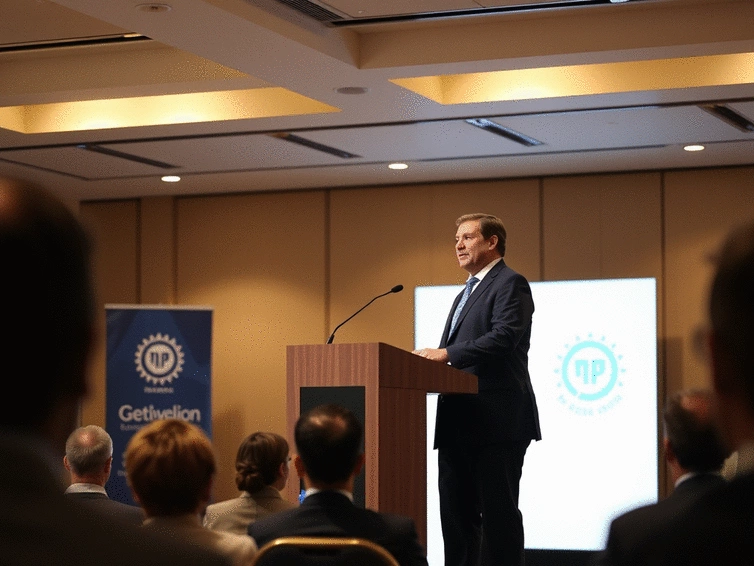
What if the key to securing more speaking engagements lies not just in your expertise, but in how well you tell your story? Personal branding can be your secret weapon in the competitive world of speaking. Let's explore how you can harness this powerful tool to elevate your presence and opportunities.
A strong personal brand is crucial for securing speaking engagements. It's built on three core pillars, each contributing to your success in the public speaking arena.
Showcase your expertise and knowledge to stand out. This attracts opportunities and builds credibility within your niche.
Convey reliability through consistent messaging and authenticity. Testimonials and success stories enhance credibility.
A strong brand makes you recognizable, leading to more speaking invitations and broader reach.
Prioritizing your brand helps communicate your mission, making you a sought-after voice.
In today’s competitive landscape, personal branding plays a pivotal role in securing speaking engagements. As a network marketer, your reputation and how you present yourself can significantly influence your opportunities. By developing a strong personal brand, you not only stand out among other speakers but also position yourself as an authority in your niche. For insights on creating a purpose-driven personal brand, you can refer to resources like Berkeley Executive Education's blog on personal branding.
When you think about it, your personal brand is essentially your story wrapped in a professional package. It communicates who you are, what you stand for, and the unique value you bring to the table. As I’ve learned over my years in network marketing, having a compelling personal brand can open doors to speaking engagements that might otherwise be out of reach!

So why is personal branding crucial for speakers? Here are a few key reasons:
By prioritizing your personal brand, you effectively communicate your mission and vision, making it easier for others to connect with you on a deeper level. This connection can be the difference between being just another speaker and a sought-after voice in your field!
Establishing authority is paramount in the world of speaking engagements. Your personal brand serves as a platform to showcase your expertise, which can attract opportunities. By sharing valuable insights and experiences, you demonstrate your knowledge in a way that resonates with your audience.
For example, consider writing articles or blogs that highlight your areas of expertise. As someone deeply rooted in network marketing, sharing actionable strategies or case studies can solidify your authority and build credibility within your niche.
Trust is a currency in personal branding. You want your audience to believe in you and what you represent. To create a trustworthy image, focus on consistency in your messaging and authenticity in your interactions.
Showcasing testimonials from past speaking engagements or client success stories can enhance your credibility. When potential audiences see real-life examples of your impact, they are more likely to trust you as a speaker and an authority in your field!
Your personal brand narrative is the heart of your brand—it tells your story in a way that captivates and engages. Here’s how to create a narrative that leaves a lasting impression:
As someone who values ethical marketing practices, I cannot stress enough the importance of authenticity in your personal branding. People are drawn to real stories, and when you share yours, it creates a genuine connection that can lead to fruitful speaking engagements.
To begin crafting your narrative, start with your unique value proposition—what you do best and how it benefits others. This clarity will act as a foundation for your brand. Reflect on your experiences and consider what sets you apart from other speakers in the network marketing community.
Once you’ve pinpointed your value, ensure it aligns with your audience's needs. This alignment will create a compelling reason for them to engage with you and your presentations!
Your brand story should be more than just a series of accomplishments; it should convey your journey, struggles, and victories. This narrative needs to be engaging and relatable to foster a connection with your audience. Think of it as a conversation where you're inviting listeners to join you on your journey.
As I’ve learned, weaving in personal anecdotes not only enhances your story but also makes it memorable. People remember stories much more than facts, so take advantage of that!
Authenticity is the key ingredient in any personal brand narrative. When you share your true self—your challenges, triumphs, and the lessons learned—you build trust and relatability. Don’t shy away from being vulnerable; it’s often in our struggles that we find common ground with others.
As you work on your narrative, remember to keep it genuine and reflective of your true self. Your audience is looking for someone they can relate to and trust, and authenticity will help you achieve that!
To truly amplify your personal brand, consider leveraging social media analytics. By monitoring engagement levels on your posts, you can gain insights into which topics resonate most with your audience. This allows you to tailor your content strategy effectively and strengthens your brand's connection with your followers.
As we navigate the world of personal branding, it's crucial to focus on measuring success. Understanding what works and what doesn't can shape your future engagements and partnerships. By tracking specific metrics, we can gain insights into how our personal brand resonates within the speaking circuit and beyond!
In this section, I'll share some key strategies for evaluating your branding efforts while ensuring you're set up for continuous improvement. After all, staying adaptable is part of the game in network marketing!

One of the most effective ways to measure your brand's success is by tracking relevant key performance indicators (KPIs). These metrics provide insights into how your efforts are translating into real-world opportunities.
By keeping an eye on these metrics, you can adapt your strategy as needed, ensuring that your brand evolves with your audience's expectations. It's all about creating a responsive personal brand that resonates!
Once you've made a connection through a speaking engagement, the next step is to foster that relationship. A structured follow-up system can help you maintain these important connections.
By investing time in these relationships, you position yourself for repeated engagements and referrals. Remember, relationships are the backbone of our industry!
Now that we've explored measuring success and maintaining relationships, it's time to take action! These actionable steps will guide you as you embark on your personal branding journey.
To help streamline your efforts, I've compiled some practical tools and templates that can make outreach smoother and more effective.
Utilizing these resources will not only save you time but also enhance your outreach effectiveness. It’s about working smarter, not harder!
As we conclude this section, remember that personal branding is a journey, not a destination. Embrace every step and be open to learning along the way. Your growth will reflect in the opportunities that come your way!
So, are you ready to take action? Start branding today, and watch as your speaking career flourishes!
Here is a quick recap of the important points discussed in the article:
Finding Network Marketing Growth Resources

Consider this: over 70% of users conduct navigational searches when looking for specific online reso
Essential Tools for MLM Lead Automation

In the rapidly evolving world of network marketing, harnessing technology can be a game-changer. Wha
Best Network Marketing Software 2025

What if understanding the true motivations behind search queries could transform your marketing stra

Finding Network Marketing Growth Resources
Essential Tools for MLM Lead Automation
Best Network Marketing Software 2025
Building Trust Through Personal Branding
Video Content in Social Selling